
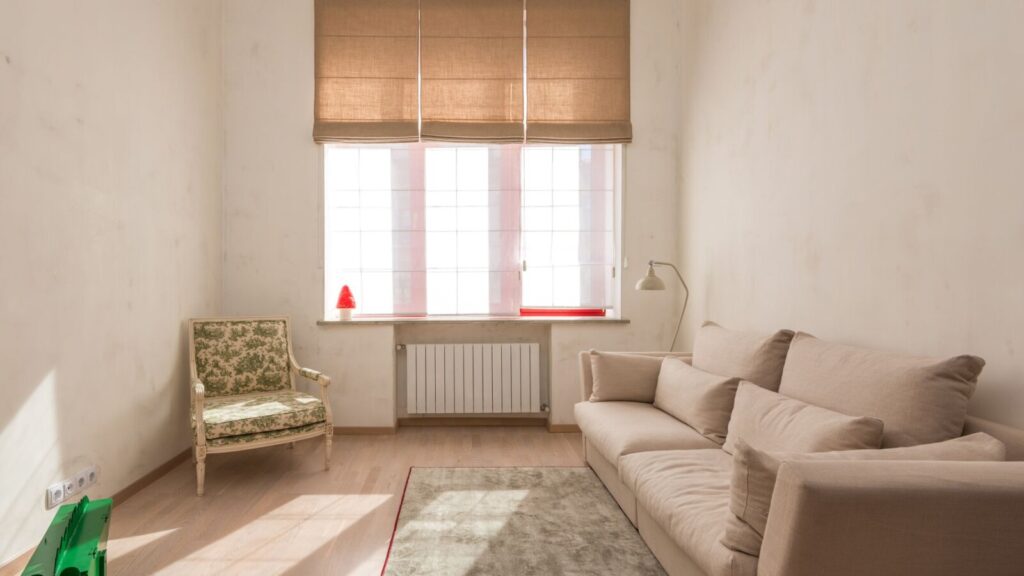
Decorating a living room on a budget becomes easier when you stop treating the whole room as a shopping list. You may already own a comfortable sofa, a useful table and artwork you enjoy. The next step is to make those pieces work together and spend only where something important is missing.
A successful budget refresh should improve daily life as well as the photograph from the doorway. That might mean a lamp beside your favourite seat, a new cover for a tired cushion or storage that finally clears the table. Start with the room you have and build a plan around the changes you will notice most.
Decide What the Room Needs Before Setting a Style
Write down the three things that frustrate you most when you use the living room. Perhaps the seating feels disconnected, the evening lighting is harsh or the paperwork never has a home. Separate those practical issues from items you simply feel you ought to replace.
Then describe the feeling you want in plain words, such as relaxed, bright or colourful. This gives you a way to judge possible purchases without chasing every attractive image. A piece earns its place when it improves the room’s function and belongs to the direction you have chosen.
Set a Spending Limit for the Whole Refresh
Choose the total you are comfortable spending and include the less exciting costs. Paint tools, delivery, curtain fixings, cleaning and repairs can all take money away from the items you pictured first. Keep an allowance for those details before assigning the rest to furniture or decoration.
Divide the plan into necessary work and optional finishing touches. If a chair needs repair or a curtain rail does not function properly, deal with that before buying another ornament. A useful budget protects the changes that make the room comfortable.
Shop Your Own Home First
Look at lamps, cushions, pictures and small tables in other rooms. An item that feels unremarkable in one corner may make much more sense in the living room. Gather the possibilities temporarily so you can compare colours and proportions together.
Be selective rather than transferring clutter from one space to another. Try a different picture above the sofa or move a side table beside the reading chair. If the swap solves the problem, there is no reason to buy a new version of the same thing.
Rearrange the Furniture Before Replacing It
Clear small accessories and test the main furniture positions. Bring seats into a comfortable relationship, keep the entrance usable and make sure people can reach a table without stretching. A layout that works can change your opinion of pieces you thought you disliked.
If floor space is the main difficulty, our guide to making a small living room look bigger offers layout and storage changes to test before you buy. Use the room for a few days before deciding the arrangement is final. Notice which seats people choose and where objects still accumulate. Those habits are more useful than trying to reproduce a showroom layout that does not fit your routine.
Choose a Small Palette From Something You Already Own
A rug, painting or favourite cushion can give you a starting point for colour. Pick a main background tone, a supporting colour and one accent you enjoy. You can vary their shades without requiring every object to match precisely.
Our neutral living room ideas explain how texture and deeper accents add interest to a quiet scheme. If you prefer stronger colour, use the same idea of repetition and balance. A consistent palette can help mixed furniture feel more connected.
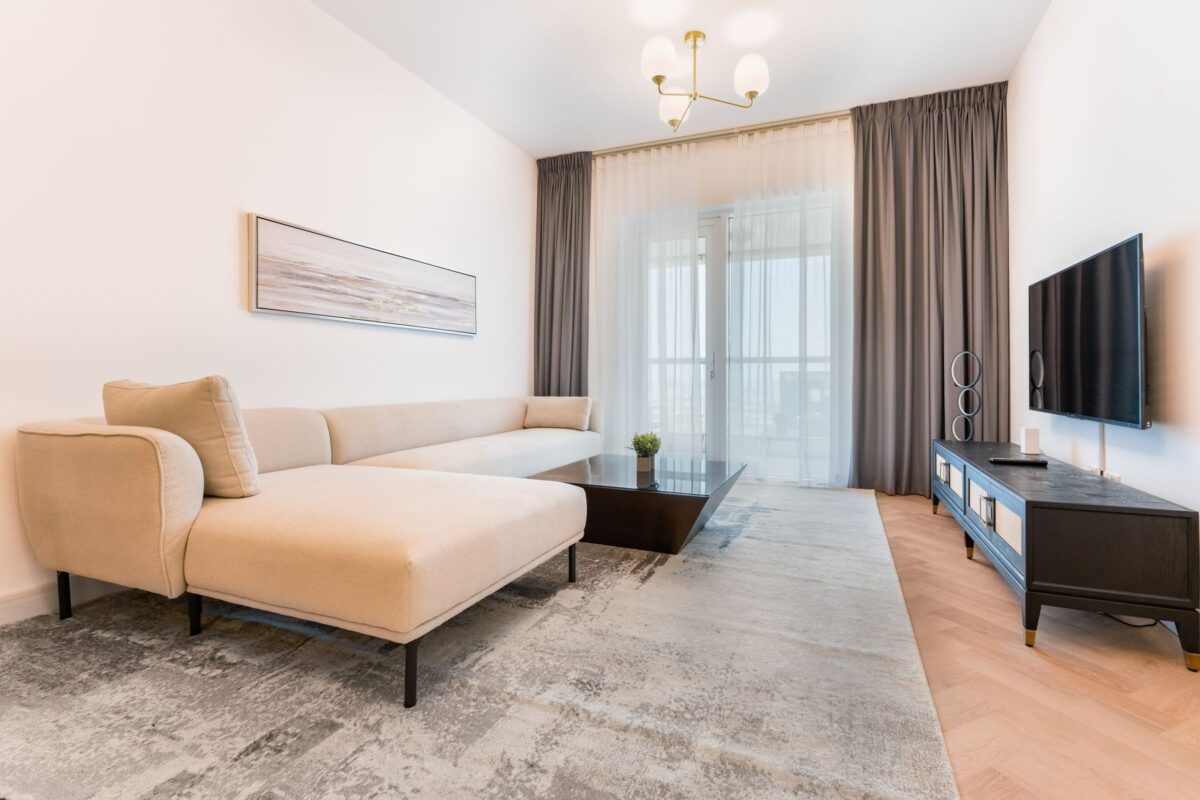
Refresh the Soft Furnishings You Actually Use
If the sofa is comfortable and sound, look at whether its covers can be cleaned, repaired or replaced according to the manufacturer’s guidance. A well-fitting cover can change the room without replacing the frame. Compare the complete cost before deciding, since custom upholstery work is not always the cheaper option.
Start with a small number of cushion covers that work with your chosen palette. Reuse suitable inserts and choose fabrics with care requirements you can manage. A throw should make the sofa more comfortable rather than become a permanent disguise for a problem that needs repair.
Use Paint Where It Will Make a Useful Difference
A fresh finish can help a tired room feel cared for, but preparation is part of the job. Check the condition of the surface, use appropriate products and follow the instructions for preparation and drying. Do not paint over unresolved damp or damaged material simply to improve the colour.
Test samples beside the sofa, floor and curtains before buying the full quantity. Consider whether the walls need repainting or whether a smaller suitable surface, such as an existing timber frame, would provide enough change. In a rented home, confirm what alterations are permitted before starting.
Improve One Lighting Problem at a Time
If you cannot read comfortably or the room feels severe after dark, lighting may deserve more of the budget than decorative objects. Move an existing lamp to the area that needs it and test the result. Check the fitting’s bulb requirements and try an appropriate bulb before deciding you need a new lamp.
Think about the light at seated height and keep cables clear of movement. A second useful light can be more effective than replacing a ceiling fitting that already works. Have fixed electrical changes carried out by a qualified professional.
Make Affordable Art Look Intentional
You do not need expensive originals to create a wall you enjoy. Personal photographs, your own artwork or prints you are licensed to reproduce can all work well. Group pieces by a shared colour, frame finish or subject so the arrangement feels connected.
Lay the group on the floor or use paper templates before hanging it. Choose a scale that relates to the furniture below and leave enough space for the arrangement to be seen clearly. Reusing suitable frames can preserve the budget for the images you care about.
Buy Second-Hand With a Specific Job in Mind
A second-hand side table or cabinet can be good value when its dimensions and condition suit the room. Take measurements with you, inspect stability and opening mechanisms, and include transport in the cost. Check upholstery carefully and consider cleaning or repair needs before making the decision.
A bargain that needs substantial work may still be worthwhile if you have the skills, time and materials. If you do not, compare it honestly with a ready-to-use alternative. Buy the piece because it fits the plan rather than because the discount feels too good to miss.
Spend on Storage That Solves Daily Clutter
Identify the objects that keep landing on surfaces and choose storage for those exact items. A drawer near the sofa may work better than a decorative basket across the room. Place the solution where putting things away will be convenient.
Check existing cabinets and shelves before buying more. Sometimes rearranging the contents or adding suitable internal containers is enough. The room will feel calmer when daily objects have practical homes, even if the storage itself is visually simple.
Finish With Fewer, More Personal Details
Return your favourite objects after the main changes are complete. A plant suited to the available light, a bowl you use or a few books can give the room character. Leave enough clear surface for a drink, a laptop or the activity that regularly happens there.
Avoid using the remaining budget simply because it is available. Photograph the room again and decide whether anything still has a clear job to do. Letting the room settle can prevent the inexpensive finishing touches from becoming a surprisingly expensive collection.
A Simple Order for Your Budget Makeover
Begin with cleaning and repairs, then test the furniture layout and gather useful pieces from around the house. Choose the palette, deal with the most important lighting or storage problem and only then consider new textiles or art. This order helps each purchase respond to a room you understand better.
Keep receipts and check return conditions before ordering items that are difficult to judge online. Measure delivery routes as well as the room itself. Practical checks are part of protecting the decorating budget, even though they rarely appear in an inspiration photograph.
Frequently Asked Questions
What is the cheapest way to refresh a living room?
Clean, rearrange and edit what you already own first. Swapping lamps, pictures and textiles between rooms can reveal useful changes without buying replacements.
What should you spend on first?
Prioritise the problem that affects daily comfort most, such as inadequate lighting, damaged seating or missing storage. Decoration can follow once the room works.
Do budget living rooms need matching furniture?
No. Repeated colours, materials and suitable proportions can bring mixed pieces together without buying a complete set.
How do you avoid wasting money on accessories?
Choose a palette, keep a short list of useful additions and wait until the main arrangement is settled. Buy only what fills a clear gap.
Make the Budget Follow the Room
A thoughtful living room refresh starts with observation rather than a full replacement plan. Keep useful pieces, spend on daily comfort and give colours and materials a clear relationship. The finished room will feel more personal when its choices reflect how you live.