
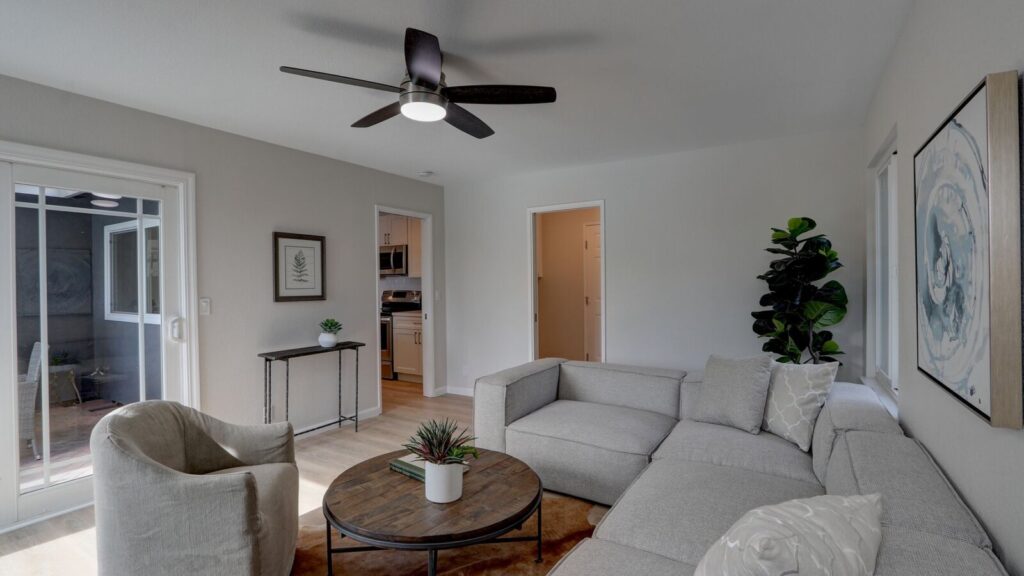
A home often looks expensive when its details feel deliberate. The curtains sit neatly, the lighting makes the room comfortable and the furniture seems to belong together. Those qualities are not limited to large budgets, and they rarely depend on displaying more objects.
If you want to make your home look expensive without spending much, focus on condition, proportion and consistency. Keep useful pieces, remove the details that distract you and spend on the improvements you will see every day. The aim is a more considered home that still feels personal and easy to live in.
Start With the Details That Look Unfinished
Walk through the home and note the small faults you have stopped noticing. A crooked handle, a loose curtain hook or a lampshade sitting at an angle can make a room feel less resolved. Correcting those details often improves the overall impression before you change the decoration.
Prioritise repairs according to safety and usefulness, then address the visible finishing touches. Use appropriate methods for each material and call in a qualified tradesperson for work outside your skills. Decoration should follow a home that is functioning properly.
Create a Calmer First Impression at the Entrance
The entry is a useful place to begin because it sets the tone for the rest of the home. Give keys, shoes and bags convenient places, keeping the main route clear. A small tray or an existing drawer can be enough if it suits the way you arrive home.
Choose one detail you enjoy seeing, such as a framed photograph or a simple lamp where there is a safe, suitable position. Avoid filling a narrow entrance with furniture just to make it look styled. A clear and cared-for threshold can feel more welcoming than an elaborate arrangement you have to squeeze past.
Repeat a Few Materials and Colours
Rooms can look more coordinated when a small number of finishes reappear. A timber tone in the coffee table might connect to a frame, while a metal lamp finish could relate to nearby handles. The items do not need to be bought together or match perfectly.
Begin with the largest pieces you are keeping, then choose the smaller details around them. Our neutral living room guide explains how texture and contrast bring a restrained palette to life. Repetition is useful across a colourful home too, provided the colours feel comfortable beside the existing finishes.
Give Large Furniture Enough Space
An attractive sofa or cabinet can lose its impact when surrounded by too many small pieces. Move occasional furniture away temporarily and look at the room again. You may find the piece you already own looks better once its shape is easier to see.
Keep practical surfaces close to the seats that need them, but question items that only occupy a gap. A room does not need a table, plant or basket in every corner. Let the arrangement follow daily use and leave some spaces unfilled.
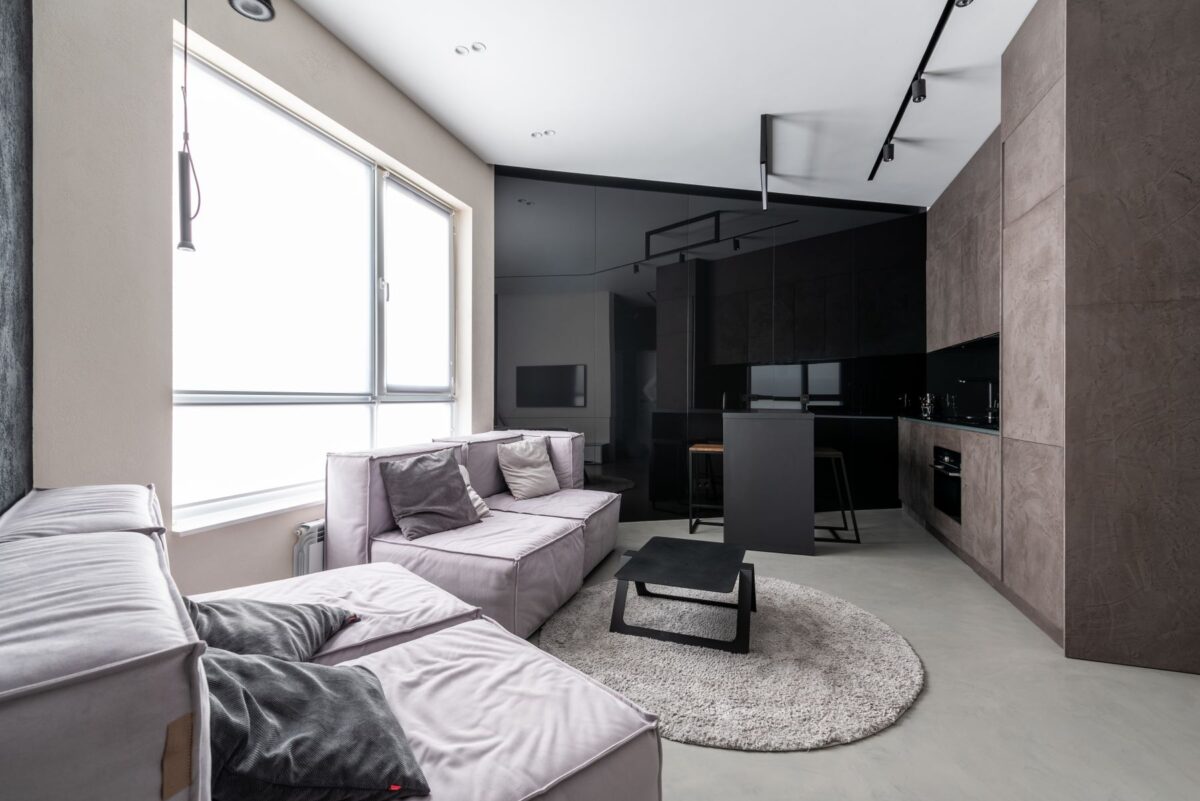
Make Curtains Look Well Measured
Neatly fitted curtains can give a room a more finished appearance even when the fabric is simple. Check that the pair opens properly, sits evenly and has a length that works with the floor and nearby fixtures. A careful alteration may be more useful than buying an entirely new set.
Measure before moving a rail or ordering replacements, and consider where the fabric gathers when open. Keep the window usable and follow clearances around radiators or other heat sources. The detail should look intentional without making privacy or everyday light control harder.
Improve the Light Where People Sit
A room can feel more inviting when its light supports the activities happening there. Try a lamp beside the sofa, a useful reading light or a softer light at the far end of the room. Move fittings you already own before deciding that the budget needs a new decorative fixture.
Check how the lights work together after dark. Glare at eye level or an isolated bright spot may be more noticeable than the price of the fitting. Keep cable routes tidy and have any fixed electrical changes completed by a qualified professional.
Choose Textile Texture Before Adding More Pattern
A simple combination of smooth, woven and softly textured fabrics can make a room feel layered. Look at the upholstery you already have and add a different surface where it would be comfortable. One well-chosen throw or cushion cover can provide enough variation.
Check care requirements and choose quantities that suit the seating. Cushions should not need to be piled on the floor every time you sit down. A polished appearance works best when the textiles are clean, comfortable and easy to maintain.
Make Art Feel Connected to the Furniture
Pictures can seem more substantial when their placement relates to what sits below them. Test an arrangement above the sofa, console or bed with paper templates before hanging it. Look at the group from the doorway and from a seated position.
Use personal photographs, your own work or prints you are entitled to reproduce. Coordinated frames can help unrelated images sit comfortably together, but matching every frame is not essential. Give the collection enough space that its content can be enjoyed.
Edit Surfaces Without Removing Personality
Take everything off a coffee table, shelf or dresser, then return the objects that are useful or meaningful. Group related pieces rather than spreading small items evenly across every available area. Keep a clear place for the activity that surface needs to support.
A tray can make a useful group easier to move, but it should not become another container for things without a home. Let ordinary objects contribute, such as a favourite bowl or the books you actually read. The result will feel more personal than a display assembled only to fill a shopping basket.
Update Small Hardware Where It Makes Sense
Handles and knobs can influence how a cabinet or wardrobe feels, especially when the original pieces are damaged or inconsistent. Before replacing them, check whether tightening or cleaning will solve the problem. If you do buy new hardware, confirm the dimensions, screw centres and clearance.
Choose a finish that relates to nearby details instead of introducing another unrelated metal. Keep the removed hardware if you rent or may need to restore the original arrangement. A small change is most effective when it looks like part of the furniture rather than an added distraction.
Bring the Same Care Into Bedrooms and Bathrooms
In a bedroom, straighten the bed linen, check the bedside lighting and reduce the items competing for the top of each table. A consistent palette across the bedding can make mixed pieces feel more connected. You do not need a large collection of decorative pillows to achieve that.
In a bathroom, use the storage you have more effectively and keep everyday toiletries easy to reach. Coordinated towels or a simple container for suitable loose items can create order. Preserve product labels and instructions where they are needed, and keep the room practical for everyone who uses it.
Let Plants Suit the Room Rather Than the Photograph
A healthy plant can give an otherwise quiet corner a sense of life. Choose it for the available light and the care you can provide, then use a pot with appropriate drainage. Check how it sits beside the furniture instead of selecting the largest plant that fits the budget.
If maintaining plants is difficult, a favourite branch arrangement or another personal object may make more sense. There is no need to add greenery to every room. Use it where it contributes to the space and can remain in good condition.
Buy One Useful Improvement at a Time
For a room-by-room starting point, our guide to decorating a living room on a budget sets out how to prioritise existing furniture, repairs and useful finishing touches.
When a home feels unfinished, it is tempting to order several small accessories at once. Pause and identify the one change that would improve the room most. Better curtains, a repair or a missing side table may deserve the budget before another vase.
Compare dimensions, materials, delivery costs and care requirements before buying. Give each change time to settle into everyday use. A home often becomes more coherent through a series of clear decisions rather than a single large shopping trip.
Frequently Asked Questions
What is the quickest way to make a home look more expensive?
Start with visible maintenance, a clear entrance and a more deliberate furniture arrangement. Clean, well-positioned pieces can change the impression before you buy anything.
Do you need a neutral colour scheme?
No. Colourful rooms can feel refined when their palette, materials and proportions work together. Choose colours you enjoy and repeat them with purpose.
Which small purchase is most worthwhile?
The one that solves a clear problem. That could be a useful lamp, suitable storage, a repaired curtain fitting or a well-fitting textile.
Should you copy a luxury showroom?
Use it to notice details you like, but adapt them to your rooms and routine. A home should remain comfortable and personal rather than staged around an image.
Give Existing Pieces a More Considered Setting
A refined home does not require constant replacement. Look after what you own, coordinate the details and leave enough space for useful pieces to be seen. When the decisions support everyday life, the home can feel more finished without an extravagant budget.