
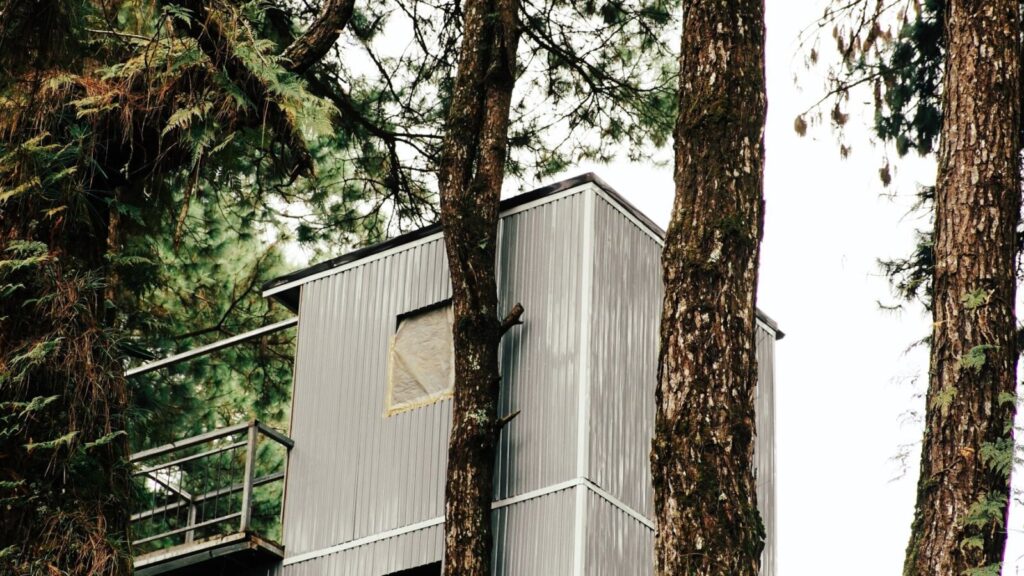
Metal siding can give a house a more contemporary appearance, but the panel itself is only part of the result. The direction of the lines, the treatment around windows and the relationship to the roof all influence how the facade reads. A convincing update usually comes from coordinating those decisions.
If you want to make your house look modern with metal siding, start by looking at its existing shape. The aim is to make the building feel coherent, with a clear material palette and well-resolved details. You can achieve that through a complete recladding project or a carefully chosen area of metal beside other suitable materials.
Read the Shape of the House Before Choosing Panels
Stand back far enough to see the roof, windows, entrance and main wall areas together. Notice which parts already feel balanced and which look visually crowded. A new cladding material can emphasise the existing architecture, but it will not automatically fix awkward additions or poorly aligned details.
Take a straight-on photograph and test simple material zones on a copy. Try one continuous wall plane before dividing it into several contrasting sections. This exercise can help you explain the intended result to a designer or installer without committing to a product too early.
Choose a Clear Panel Direction
Vertical lines can give a facade a taller, more upright rhythm, while horizontal panels can emphasise width. These are visual effects rather than rules that suit every house. Compare both directions against the actual window arrangement and the proportions of the wall.
Keep changes of direction deliberate. A vertical main facade with one carefully placed horizontal element may work well, but switching repeatedly can make a small house look busy. Confirm that the selected profile is approved for the intended orientation and installed using its corresponding details.
Use a Restrained Exterior Colour Palette
Begin with colours that are difficult or expensive to change, including the roof, brickwork, paving and window frames. Choose the metal finish alongside those existing surfaces rather than from a colour chart alone. A charcoal panel may work beside warm timber, while a lighter grey can create a gentler transition to pale masonry.
Order physical samples and view them outside in sun and shade. Gloss level and texture can change the impression as much as the colour itself. Avoid relying on a screen image when you are approving a finish across an entire wall.
Compare Profile and Shadow as Well as Colour
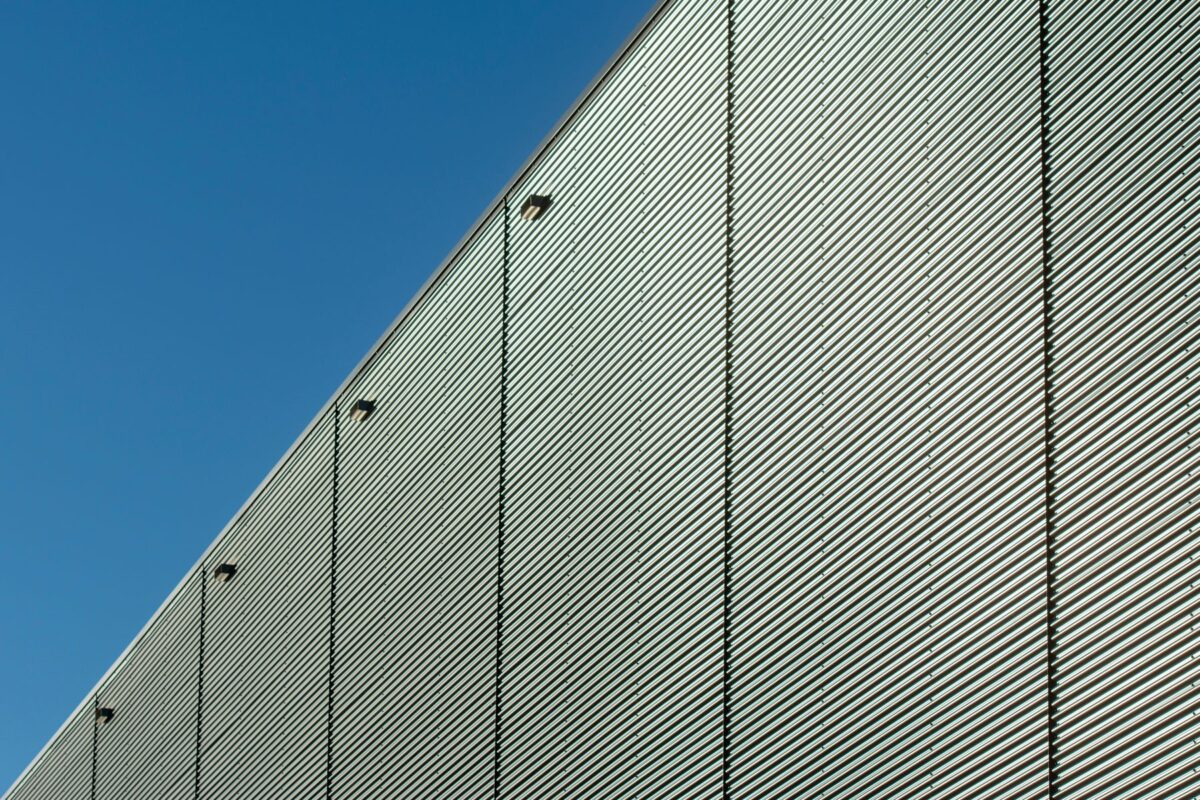
Deep corrugations, narrow ribs and flatter panel systems each give the wall a different rhythm. A strongly profiled panel makes texture a major part of the design, while a quieter surface can let the windows and entrance take more attention. Neither option is inherently more modern.
Look at the profile from the approach to your home and from close range. Ask to see an installed example where possible, particularly for a large uninterrupted wall. The best choice should feel appropriate at both distances.
Combine Metal With One Complementary Material
Timber, brick or stone can soften the appearance of a metal-clad house when the materials have a clear relationship. You might keep a brick base, use timber around a recessed entrance or retain an existing stone wall. Let each material occupy a meaningful area instead of creating small decorative patches everywhere.
Repeat a shared undertone so the combination feels settled. Our neutral colour styling guide explains how light, middle and dark tones can work together. The same visual principle can help you balance pale paving, medium-toned cladding and darker exterior frames.
Make Window and Door Details Part of the Design
Modern-looking elevations often depend on how cleanly the cladding meets openings. Discuss the width, colour and shape of the window trims before ordering panels. Check how the design will handle sills, heads, corners and any changes in wall depth.
Use the actual dimensions rather than assuming a trim shown in a photograph will fit your house. Where existing windows remain, the new wall build-up needs to be coordinated with their position. An installer should resolve the weatherproofing behind the visible finish as well as the line you see from outside.
Give the Entrance a Stronger Sense of Arrival
A modern exterior benefits from an entrance that is easy to recognise. You could use a recessed cladding zone, a complementary door colour or a simple light beside the doorway. Keep the path and immediate threshold area visually clear.
Choose a small number of coordinated details, such as a house number, handle and light finish. There is no need to replace every item if the existing pieces already work together. Sometimes cleaning, repainting a suitable surface and removing redundant fittings make the new cladding look more intentional.
Resolve the Roof Edge and Service Details
Fascias, gutters, downpipes and vents can interrupt an otherwise calm facade. Decide which should blend with the siding and which need to remain visibly distinct. Check how each component will be maintained once the cladding is in place.
Keep functional details accessible and do not conceal ventilation openings simply to create a smoother appearance. Our metal roof maintenance guide explains why edges, flashings and drainage also need attention after installation. If you are also planning a terrace, use our pergola design ideas to consider how the outdoor structure’s colour and proportions relate to the house. The connections and drainage still need project-specific design.
Consider an Accent Area Before Full Recladding
If the existing exterior is in sound condition, a limited area of metal may provide the change you want. An extension, garden-facing wall or entrance volume can be a useful place to introduce it. Keeping the material boundaries aligned with the building’s form helps the update feel purposeful.
Ask the designer to show how the transition works at the top, bottom and sides. An accent area still needs correct support, weatherproofing and trim. A smaller scope should mean fewer wall areas, rather than less attention to their construction.
Protect the Building Behind the New Appearance
Cladding is part of an exterior wall system, not a cure for trapped moisture or damaged construction. Have the existing wall assessed before covering it, and resolve deterioration first. The specified supporting structure, weather-resistive layers, flashings and drainage details must work together.
Use the selected manufacturer’s installation information for the actual profile and orientation. For example, Western States Metal Roofing’s board-and-batten guide discusses installation considerations and the surface waviness known as oil canning. Review the expected appearance and detailing with your own supplier before approving a large order.
Compare the Finished Project Rather Than Panel Price
A panel quote may not include removal of existing materials, repairs, supports, insulation changes, trims or installation. Ask each contractor to describe the same scope so the comparisons are useful. Also check finish warranties, maintenance requirements and the treatment of cut edges.
Keep a contingency for conditions revealed when existing cladding is removed. Where the budget is limited, prioritise sound construction and the most visible elevations. A modest design installed carefully will usually feel more convincing than a complicated material scheme with unresolved junctions.
Frequently Asked Questions
Does metal siding suit a traditional house?
It can, particularly on an extension or a clearly defined part of the building. Compare the profile, finish and junction details with the existing architecture before committing.
Should metal siding run vertically or horizontally?
Choose the direction around the house’s proportions and openings, then use a profile and installation method approved for that orientation.
Is dark metal siding always more modern?
No. Light and mid-tone finishes can also look contemporary when the proportions, trims and surrounding materials are coordinated.
Is metal siding maintenance-free?
No exterior should be assumed maintenance-free. Follow the product’s cleaning and inspection requirements and address coating or connection damage appropriately.
Let the Details Create the Modern Look
Metal siding works best when it belongs to a clear plan for the whole exterior. Choose a consistent panel rhythm, test the colours beside existing materials and resolve the openings and roof edges early. That combination gives the house a more considered appearance while keeping its practical needs at the centre of the project.