
The right gazebo furniture makes an outdoor shelter feel like part of your home. The wrong pieces can leave you squeezing past a table, balancing a drink on the floor or moving wet cushions every time the weather changes. Before choosing a matching set, think about the moments you want the space to accommodate.
Perhaps you picture quiet morning coffee, family lunches or friends staying long after dinner. These 14 gazebo furniture ideas cover different ways to furnish that space, from a compact bistro corner to a generous conversation area. Choose an arrangement that fits both the gazebo and your routine, then build the details around it.
If you are still choosing the structure, our cheap small backyard gazebo ideas can help you plan the space before committing to furniture.
Measure the Usable Space Before Choosing Furniture
The measurements on a gazebo listing do not always describe its clear interior floor area. Posts, railings, curtains and built-in details can reduce the space available for furniture. Measure between the obstructions, then mark out the proposed arrangement with masking tape or cardboard before ordering.
Include the space furniture occupies in use, such as a pulled-out dining chair or an extended recliner. Walk through the arrangement carrying a tray to check how it feels, and preserve a clear route to the entrance. A roof also does not keep every surface dry, so select furniture for the weather exposure it will actually receive.
1. Pair Two Armchairs With a Shared Side Table
Two outdoor armchairs can make a small gazebo feel like a deliberate retreat. Place a table between them so both people have somewhere to set a drink, and angle the chairs slightly towards each other if conversation is the priority. Leave a view through the entrance rather than arranging the seats as a barrier.
Test the chair’s seat height and back angle if you can. Deep lounge chairs can look inviting but may not suit everyone who regularly uses the space.
2. Use a Compact Loveseat for Everyday Lounging
A two-seat outdoor sofa gives you somewhere to stretch out without committing to a large sectional. Position it along one side of the gazebo with a small table close enough to reach comfortably. Slender arms can help preserve sitting space within a modest overall width.
Check how the cushion covers are cleaned and where the cushions will live when not in use. Easy access to dry storage often matters more than an extra decorative cushion.
3. Choose a Modular Corner Arrangement
A modular sofa works well when the gazebo is large enough for a dedicated lounging area. You can start with the modules you need and change their arrangement when entertaining. Check that the separate sections connect securely and that the configuration leaves the entrance open.
Avoid filling every side simply because another module fits on paper. Keeping one edge lighter with a single chair or an open view can make the whole setting feel more relaxed.
4. Try a Round Dining Table for a Social Centre
A round outdoor dining table can create an easy conversation setting, with everyone facing into the group. It is especially appealing beneath a gazebo that already has a strong central shape. Choose the table diameter around your usual diners and the actual space for their chairs.
Round does not automatically mean space-saving. Measure the complete circle of occupied seating and check the table base does not interfere with knees or chair placement.
5. Use a Narrow Rectangular Table for Shared Meals
A rectangular dining table can suit a long gazebo and make the most of a straightforward layout. A visually light frame helps avoid a heavy block in the middle of the space. Check that your preferred place settings, serving dishes and chair arms work with the table dimensions.
If you use a bench on one side, consider how people will get in and out. A little extra space at the ends can make the arrangement easier to use.
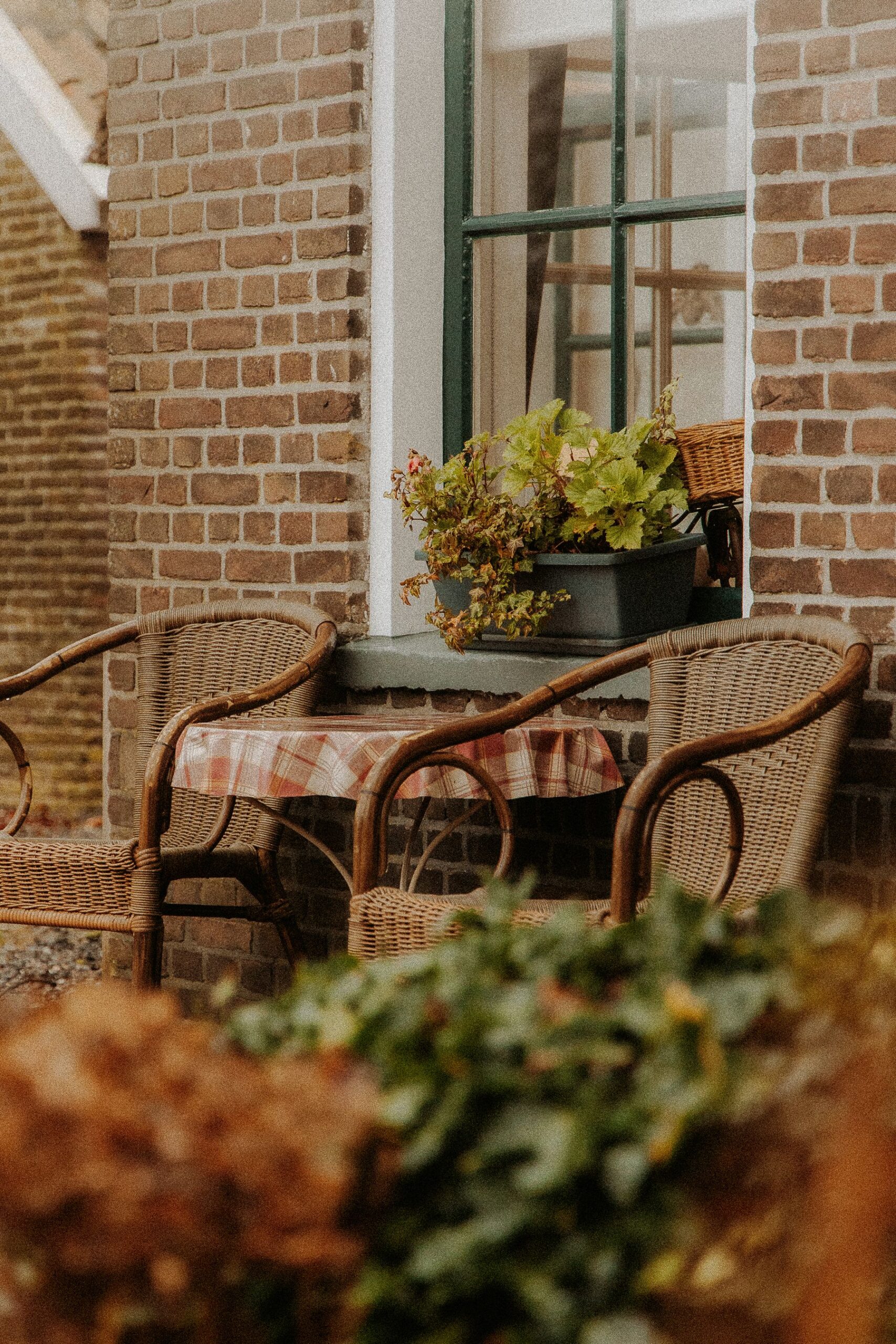
6. Create a Bistro Corner for Breakfast
A small table and two chairs can give a gazebo a purpose without taking over the floor. This setup suits coffee, breakfast or a quick lunch more naturally than a low lounge table. Place it where you enjoy the morning light, while considering how hot the same spot becomes later.
The chairs do not have to match the table exactly. Repeating one finish or colour is often enough to make a simple combination feel connected.
7. Add a Freestanding Bench Along One Edge
A bench can introduce flexible seating while keeping the middle available for a table. A backrest makes sense if you expect people to stay for more than a brief chat. Use an outdoor seat pad suited to the bench dimensions rather than layering cushions until the seat becomes too shallow.
Keep the bench separate from the gazebo frame unless a purpose-designed installation specifies otherwise. This makes it easier to move and avoids adding an unintended load to the structure.
8. Choose a Storage Bench With a Clear Job
A storage bench can be useful for small garden accessories, games or items you want close at hand. Check whether the product is genuinely designed for sitting and whether its storage compartment is weatherproof, ventilated or simply covered. Those details determine what you can reasonably keep inside.
Do not assume it is suitable for permanently storing damp cushions. Let textiles dry fully, and follow their care instructions before closing them into any container.
9. Replace One Large Coffee Table With Nesting Tables
Nesting tables let you move a surface beside the person who needs it. They can be useful when a gazebo alternates between a private retreat and a place for guests. Look for outdoor-rated designs that remain stable on your particular floor, especially if the paving has broad joints.
Try the tallest table beside the sofa and the smaller one near a chair. You can bring them together when needed without making a large central table the permanent focus.
10. Use an Ottoman as a Footrest and Occasional Seat
An outdoor ottoman can turn an ordinary chair into a more comfortable lounging spot. A model rated for seating also provides an extra perch when friends arrive. Keep its position flexible so it can move away from the main walking route.
If you want to use it as a table, choose a design intended to support a stable tray or hard top. An unstable drink on a soft cushion is a compromise that quickly becomes frustrating.
11. Add a Slim Console for Serving
A narrow outdoor console can hold a jug, spare glasses or a few serving dishes without covering the dining table. Position it against the least-used edge of a larger gazebo, keeping its legs and doors clear of circulation routes. It can also make outdoor meals easier to set up and clear away.
A console should solve a practical need rather than become another display surface. If it reduces the room for seating, a small movable trolley may be a better fit.
12. Make Room for a Rocking Chair
A rocking chair can give a gazebo an unhurried, porch-like character. Pair it with a compact side table and let the seat face the garden. Check the full movement of the runners, including the space behind and in front of the chair.
Choose a level surface and a chair designed for outdoor use. If the gazebo has raised edges or narrow circulation routes, an ordinary lounge chair may be the more comfortable practical choice.
13. Create a Reading Spot With a Low Daybed
A freestanding outdoor daybed suits a gazebo used mainly for resting rather than dining. Place it where you can lie back without blocking the entrance or needing to climb around other furniture. A small side table and a place to set a book may be all the additional furniture required.
Measure how you will move the daybed into the garden, as well as how it fits inside the gazebo. Avoid suspended designs unless the structure and installation are specifically engineered for those loads.
14. Mix Woven Chairs With a Simple Metal Table
Different materials can make an outdoor arrangement feel more personal than a complete matching set. Woven seating adds visual texture, while a simple powder-coated metal table can provide a clear contrast. Check the specifications rather than assuming every wicker-looking chair has the same outdoor durability.
Bring the pieces together through a repeated colour in the cushions, frames or accessories. Our guide to making a neutral living room feel warm offers useful ideas for balancing texture and contrast, which also work as styling principles outdoors.
Choose Materials Around Your Weather and Maintenance Routine
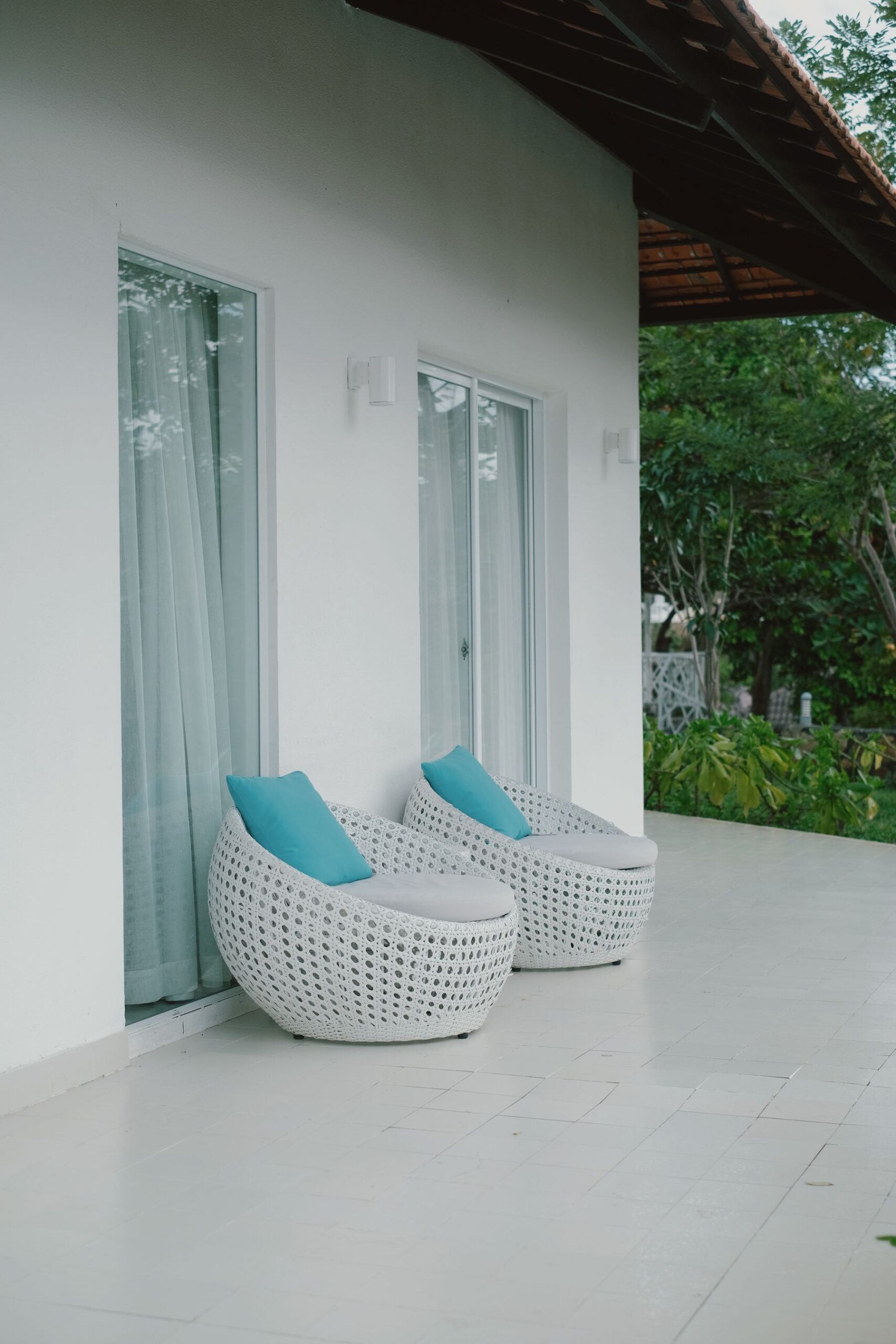
Look at the complete product specification, including the frame, fixings, finish and cushion care. Natural wicker and synthetic woven furniture are different materials, while timber furniture can require periodic refinishing. The right choice depends on exposure, how much maintenance you will do and whether you have somewhere to store pieces during difficult weather.
Keep the manufacturer’s care instructions with your purchase details. IKEA’s outdoor furniture care guidance is a useful general reference for cleaning, protecting furniture and drying cushions before storage, although the instructions for your own product should come first.
Frequently Asked Questions
What furniture works best in a small gazebo?
Start with the activity you use it for most. Two chairs and a side table, a compact loveseat or a small bistro set can all work when the entrance and walking route remain clear.
Can indoor furniture be used in a gazebo?
Do not assume a roof provides indoor conditions. Wind-driven rain and humidity can still reach the furniture, so choose pieces rated for the exposure they will receive.
Should all gazebo furniture match?
No. Mixed furniture can feel coordinated when it shares a colour, finish or similar proportions. Keep the combination simple enough that the gazebo remains the setting rather than a crowded display.
Can you leave outdoor cushions in a gazebo?
That depends on the cushions and the weather exposure. Follow the care label, store them as recommended and let them dry completely before putting them into a closed container.
Build the Arrangement Around How You Relax
A successful gazebo furniture layout feels comfortable before you add the finishing touches. Choose your main activity, make room for people to move naturally and select pieces you can care for without difficulty. When those decisions are right, a few cushions and plants are enough to make the space feel like your own.
Featured photo: Douglas Ozolin / Pexels. Supporting photographs are credited beneath each image and used under the Pexels License.