
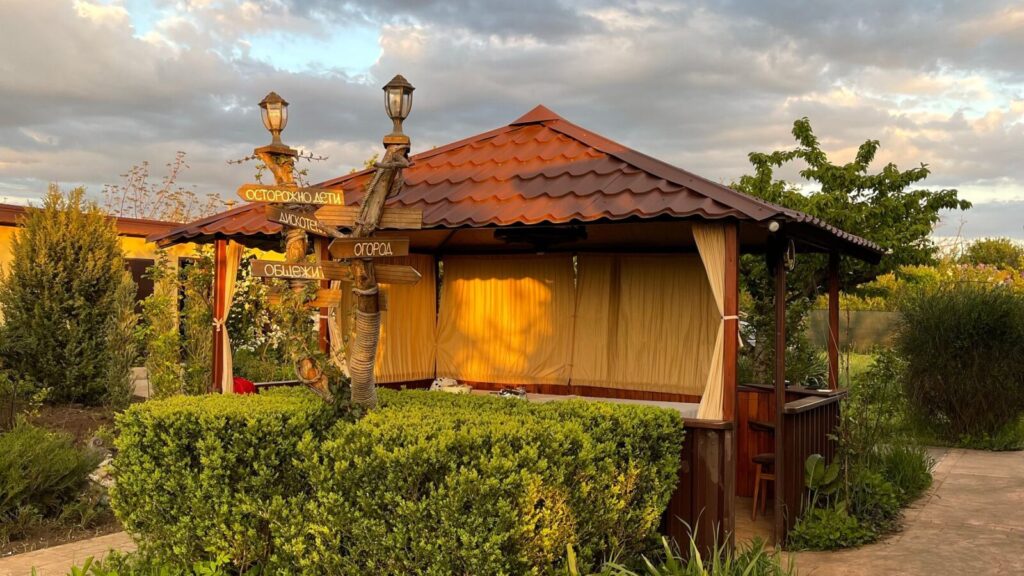
A small backyard does not need a sprawling pavilion to feel like a place you want to spend time. A modest gazebo can give a spare corner a purpose, turn an existing patio into a gathering spot or create somewhere comfortable to read after work. The challenge is deciding where your money will make the biggest difference.
These cheap small backyard gazebo ideas include affordable ways to choose a structure and inexpensive ways to improve one you already own. Pick the ideas that solve a real problem in your garden rather than trying to squeeze every feature into the same space. A clear layout, suitable seating and a little shade usually do more for everyday comfort than a collection of decorative extras.
Before You Spend: Separate the Gazebo From the Extras
Think about the structure, its installation and the furnishings as three separate parts of the budget. A low advertised price may exclude suitable anchors, groundwork, delivery or assembly, so compare the complete project before choosing a kit. An existing patio can reduce work, but it still needs to meet the structure’s installation requirements.
A gazebo generally has a roof, while a traditional pergola has an open framework overhead. A fabric canopy can be a more affordable seasonal option, but it should not be treated as a permanent hardtop structure. Follow the specific model’s instructions for anchoring, suitable surfaces and weather limits, and check local requirements before committing to a fixed installation.
1. Choose a Simple Gazebo Kit Without Decorative Extras
A straightforward square or rectangular kit can make better use of a tight garden than an elaborate shape with projecting details. Look for a size that fits your intended furniture and leaves a usable route around it, including room for the roof overhang. Compare the supplied roof, frame, fixings and warranty rather than judging value by appearance alone.
Keep the initial specification simple and spend on installation before accessories. You can add cushions and lighting later, but correcting an unsuitable base is a much more disruptive job.
2. Use a Seasonal Canopy for Occasional Gatherings
If you need shade for a few summer lunches rather than a permanent outdoor room, a purpose-made fabric gazebo may suit the job. Its lighter appearance can also feel less imposing in a compact garden. Check how it will be secured and where you will store the cover before buying.
Treat it according to its weather rating and take it down or remove the fabric when the instructions require. A temporary canopy is a different purchase from a permanent gazebo, even if the product photographs look similar.
3. Put the Gazebo Over a Suitable Existing Patio
Building an entirely new seating area can consume money before you have bought a chair. If your existing patio is well located, consider whether a gazebo can work there instead. Measure beyond the visible paving to understand the footprint, overhang and position of doors, drains and planting beds.
Ask the installer to confirm the foundation and anchoring requirements. Surface paving alone should not be assumed to provide the support a fixed structure needs.
4. Refresh a Sound Existing Structure
A tired gazebo may need maintenance rather than replacement. Start with an inspection of the roof, posts, joints and fixings, and resolve deterioration before spending on a new finish. Cleaning, an appropriate exterior coating and replacement curtains can change the impression once the structure is in good condition.
Keep the frame colour close to another garden element, such as the fence or door trim. Repeating a colour makes the gazebo feel intentional without adding more objects around it.
5. Use One Freestanding Bench Along the Back
A bench can seat more than one person while keeping the middle of a small gazebo open. Choose a depth that feels comfortable and check that the legs sit firmly on the floor. A freestanding design is also easier to move when you need to clean or rearrange the area.
Make second-hand seating earn its place through condition and comfort. Inspect joints, stability and any timber damage, then factor repairs and an appropriate exterior finish into the price.
6. Make a Two-Person Coffee Spot
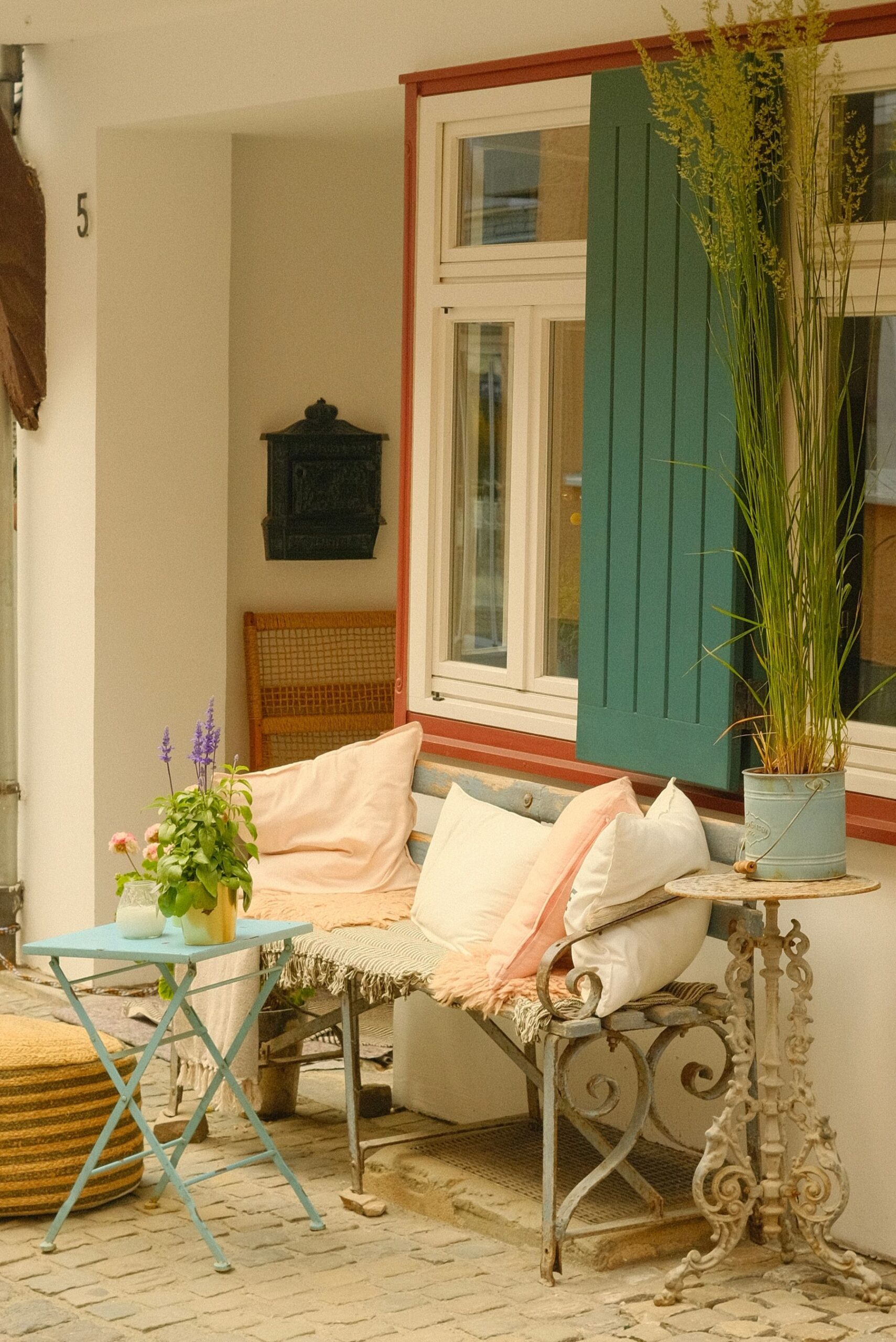
There is no reason to furnish a small gazebo for six people if you usually use it as a couple or alone. Two comfortable chairs and a little table can create a more generous-feeling retreat than an oversized dining set. Angle the seats towards a planting bed or another view you enjoy.
Test the arrangement with chairs you already own before buying outdoor replacements. This helps you judge the proportions and how you actually want to sit.
7. Choose Folding Furniture for Flexible Space
Folding chairs and a folding table let a small gazebo serve different purposes through the week. You can clear the centre for stretching, gardening tasks or a child’s supervised play, then bring the furniture back for lunch. Choose outdoor-rated pieces that lock securely in use.
Make sure the folded furniture has a convenient storage spot. Flexibility is only useful if putting things away is easy enough to become a habit.
8. Create Privacy on Just One Side
If the neighbour’s window is the main distraction, you may only need to screen one side. A compatible outdoor curtain can soften the view without enclosing the entire gazebo. Tie it back when you want a more open feeling and keep the fabric clear of damp ground.
Use only accessories and attachment methods suitable for the structure. Added curtains and screens affect how wind catches the gazebo, so they need to follow its guidance.
9. Add a Separate Trellis Beside the Gazebo
A freestanding trellis can introduce privacy and greenery without filling the gazebo floor with large pots. Position it outside the main walking route and choose a climber suited to the light and available growing space. Check its mature size before committing to a vigorous variety.
Give the trellis its own suitable supports. Avoid asking a lightweight canopy frame to carry the eventual weight of climbing plants.
10. Use Gravel Around the Seating Area
A narrow gravel border can give the gazebo a finished edge and connect it to nearby planting. It is particularly useful when a full paved garden would feel excessive. Keep the gravel contained so it does not migrate across a path or make the main route awkward underfoot.
This is a landscaping detail rather than a substitute for structural foundations. Keep posts and anchors supported exactly as the gazebo design requires.
11. Put Colour Into a Few Well-Placed Pots
Two pots near the entrance can make a gazebo feel welcoming while leaving space for furniture inside. Repeat one flower colour or foliage shape to keep a small garden from looking busy. You can often divide existing suitable plants or move containers from elsewhere in the garden before buying more.
Choose pots you can maintain and water easily. A small, healthy planting scheme looks more convincing than crowded containers struggling in the wrong conditions.
12. Add a Small Amount of Outdoor Lighting
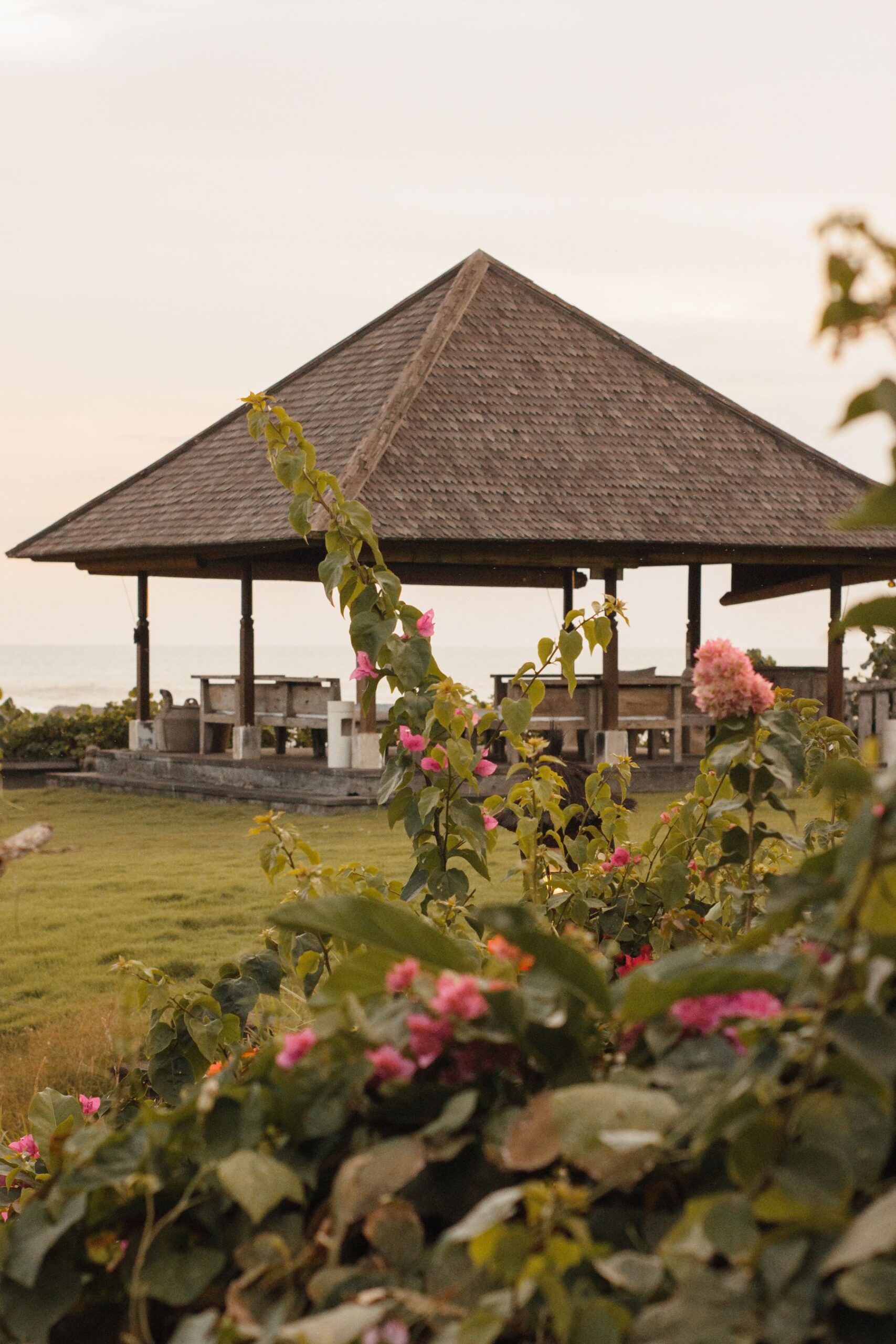
Start with the part of the gazebo you use after sunset. A portable outdoor-rated lamp on a table or a short run of suitable exterior string lights can make an evening seat more inviting. Check where any solar panel receives sunlight rather than assuming it will charge beneath a roof.
Follow product instructions and keep cables clear of walking routes. Permanent mains electrical work should be handled by a suitably qualified professional.
13. Define the Space With an Outdoor Rug
A rug can visually connect a simple chair arrangement and cover the visual busyness of mixed paving. Use one made for outdoor conditions, and make sure its edges sit securely without obstructing access. Check that the floor and rug can dry after rain.
A rug is best treated as a finishing layer. It will not correct uneven ground, unstable furniture or an arrangement that is too crowded.
14. Repeat the Colours You Already Enjoy Indoors
A restrained palette helps inexpensive furniture look more coordinated. Try pairing a timber bench with cream outdoor cushions and one deeper accent colour drawn from the garden. If your gazebo is visible through the living room windows, repeating an indoor tone can make the transition feel natural.
Our neutral living room ideas explain how light, middle and dark tones work together. Apply that colour principle outside while choosing fabrics and finishes specifically suited to outdoor use.
15. Finish the Gazebo in Stages
Install the structure correctly, add the seating you need most and use the space before choosing more accessories. A few weeks of real use may reveal that you need a side table more than another cushion, or privacy more than decorative lights. Spreading out these decisions can also spread the expense.
Keep a short list of what would improve daily comfort. Buying to that list makes it easier to pass over appealing items that would simply occupy the floor.
Frequently Asked Questions
What is the cheapest way to add a gazebo?
A basic seasonal fabric model may have a lower upfront cost than a permanent roofed gazebo. Compare the full installation, storage and maintenance costs, and choose a structure suitable for the way you intend to use it.
Can a gazebo fit in a very small backyard?
Yes, if its footprint and roof overhang leave comfortable access. Measure the furniture in use, including pulled-out chairs, rather than checking the empty structure alone.
Can you put a gazebo directly on paving slabs?
Do not assume that paving slabs provide adequate anchoring. Follow the specific manufacturer’s foundation requirements and have the installation assessed where necessary.
How can you make a cheap gazebo look better?
Keep the layout uncluttered, repeat a small colour palette and add comfortable outdoor seating. A few healthy plants and thoughtful lighting can finish the space without a large accessory budget.
Make the Space Useful Before Making It Decorative
The best small backyard gazebo is one you can comfortably afford, install correctly and enjoy regularly. Begin with its location and purpose, then add the furniture and details that support that purpose. A simple, well-used corner of the garden has more value than an elaborate setup that never feels comfortable.
Installation reference: Yardistry gazebo installation manual. Requirements vary by model. Featured photo: Svetlana Kravtsova / Pexels. All photographs used under the Pexels License.