
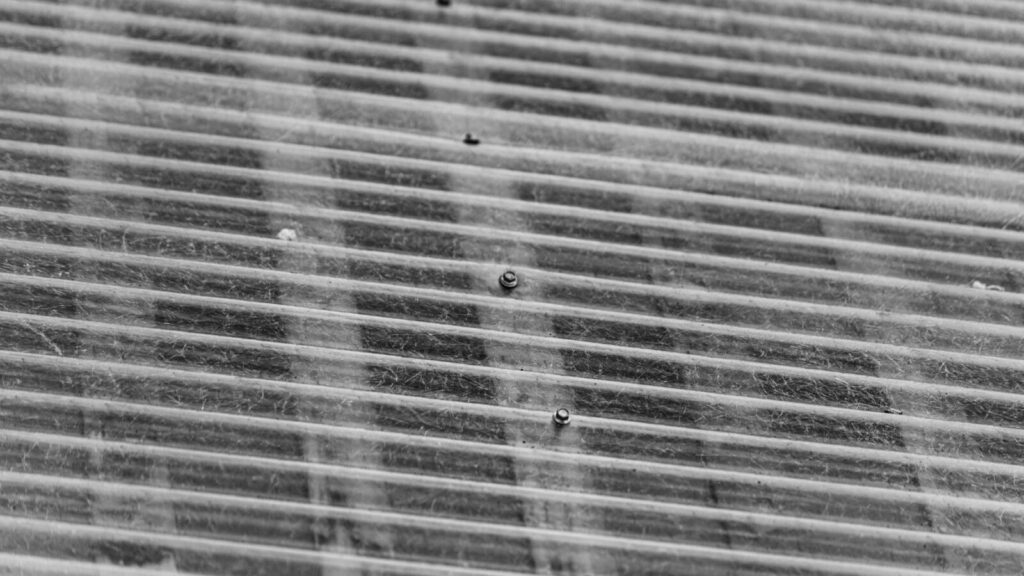
A metal roof can look reassuringly solid, which makes it easy to forget about maintenance until a stain or leak appears. Regular care is less about constantly treating the surface and more about keeping water moving, protecting the finish and noticing small changes. The right approach depends on the metal, coating and installation details already on your home.
To maintain a metal roof and reduce the risk of rust, start by identifying the roof system and following its care instructions. Much of your role can be carried out from the ground, through photographs, records and arranging the right professional checks. Roof-level cleaning and repairs belong with a qualified contractor who has suitable access equipment and fall protection.
Know What Your Roof Is Made From
Steel roofing commonly has a protective metallic coating and may also have a factory-applied paint finish. Red rust can develop when steel is exposed and conditions allow corrosion. Aluminium, copper and zinc behave differently, so a treatment intended for rusty steel is not automatically appropriate for another metal.
Find the installation invoice, product name, coating information and warranty before choosing cleaners or repair products. The Metal Roofing Alliance’s materials guide explains the main roofing metal types. If the paperwork is missing, ask an experienced contractor to identify the system instead of guessing from its colour.
1. Set Up a Routine That Fits the Property
Agree an inspection schedule with your installer or manufacturer, taking account of trees, coastal exposure and the age of the roof. A spring and autumn visual review is a useful homeowner habit, with an additional check after significant storms. Professional inspection intervals should follow the roof system’s requirements and condition.
Keep a dated folder of photographs taken from safe, repeatable ground positions. This makes a newly moved flashing or growing stain easier to notice. Record concerns for the contractor rather than trying to diagnose every mark yourself.
2. Inspect From the Ground Before Considering Access
Use binoculars or a camera zoom to look for displaced panels, debris, damaged edges and obvious changes around roof penetrations. Check the ground for fallen pieces of trim or fixings after a storm. Inside the house, note new ceiling marks or damp patches and report them promptly.
Do not climb onto the roof for a closer photograph. Metal can be slippery, and walking in the wrong places can damage the system as well as create a fall risk. The Metal Roofing Alliance recommends leaving rooftop inspection and care to a suitably qualified professional.
3. Keep Gutters and Water Routes Clear
Leaves and small branches can collect in gutters, valleys and other places where water needs a clear route. Arrange safe removal before the buildup becomes a persistent wet layer. Check that downpipes discharge as intended rather than spilling onto another part of the roof or against the building.
If a gutter repeatedly overflows despite cleaning, ask the contractor to check the cause. The answer may involve drainage capacity, falls or an installation defect. Repeatedly clearing the same blockage without understanding it can leave the underlying problem unresolved.
4. Clean Gently With Approved Products
Start with the manufacturer’s cleaning instructions for the specific coating. Where permitted, plain water or a mild non-abrasive detergent solution can remove ordinary dirt, followed by thorough rinsing. The Metal Roofing Alliance’s cleaning guidance favours soft cleaning tools and low-pressure rinsing over aggressive scrubbing.
Do not use steel wool, abrasive pads, harsh chemicals or high-pressure washing unless the roof manufacturer specifically approves the method. Stronger is not necessarily more effective when the aim is to preserve a protective finish. Ask a professional to deal with difficult stains and inaccessible areas rather than experimenting with household rust removers.
5. Find Out What an Orange Mark Actually Means
A reddish mark deserves attention, but its colour alone does not establish the cause or the extent of damage. It may be corrosion in the roof material, a deteriorating fixing or staining from metal debris left on the surface. A contractor should identify the source before deciding whether cleaning, a local repair or replacement is appropriate.
Photograph the mark from a safe position and note whether it appeared after nearby building work. Avoid painting over it to make the roof look tidy. A cosmetic cover can conceal a developing problem without addressing why it started.
6. Deal With Scratches and Coating Damage Correctly
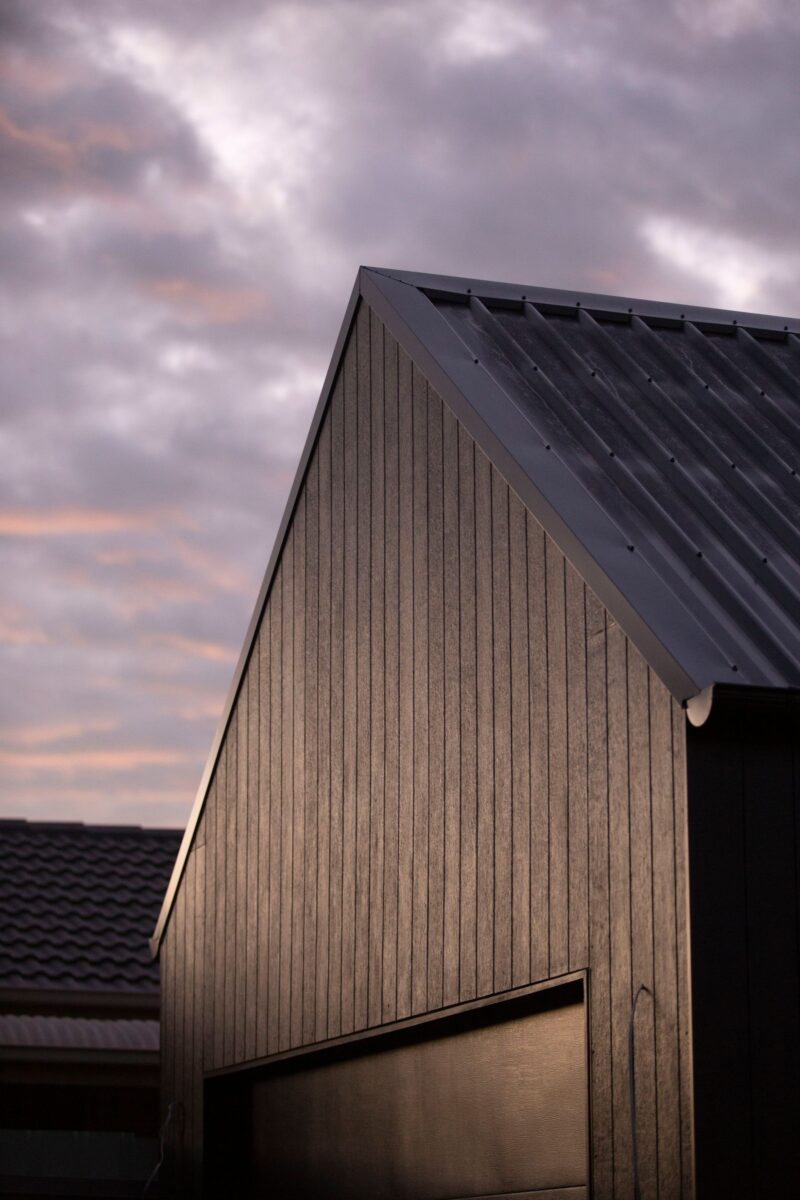
A roof’s factory finish should be treated as a specified system. If a contractor finds a scratch or exposed area, ask the manufacturer which repair method and touch-up product are approved. Small touch-ups and broad repainting are different jobs, and neither should be assumed to preserve the original warranty automatically.
For example, Central States advises customers to use approved touch-up products and explains that repainting can affect its warranty coverage. Check the position for your own roof before authorising work. A colour match from a general paint counter is not a substitute for coating compatibility.
7. Have Fasteners, Flashings and Seals Checked
The roof’s vulnerable details are often at penetrations, edges and connections rather than in the middle of a panel. Ask the contractor to examine the relevant flashings, pipe boots, sealants and exposed fasteners. Standing-seam systems have different fixing details from exposed-fastener panels, so maintenance should follow the actual construction.
A loose screw is not an invitation to tighten every fixing indiscriminately. Damaged washers, enlarged holes and incorrectly driven fasteners need the correct repair. Similarly, spreading sealant over a failed flashing may hide the problem instead of restoring a reliable water-shedding detail.
8. Replace Trim With Compatible Components
When an edge or flashing is damaged, match the replacement to the panel profile, metal, coating and detail specified for the roof. Shape and fit matter as well as colour. Have the installer confirm how the component connects to adjacent panels and where water will travel.
A collection such as PBS Direct’s Metal roofing and wall trim can help you identify the types of ridge, eave, gable and wall-junction components available. Use the contractor’s specification to select the correct part. A similar-looking trim is not automatically interchangeable.
9. Prevent Unplanned Contact With Other Materials
Some combinations of metals can promote galvanic corrosion when moisture is present. Water running from an incompatible material onto the roof can also be a problem, even if the two components do not directly touch. Ask the manufacturer or roofer to approve new gutters, attachments and equipment interfaces.
Tell other trades what roof system they are working near. Drilling debris and metal filings should be removed by appropriate methods after work, and new penetrations should be coordinated with the roofing contractor. This is particularly relevant when installing solar equipment, vents or other rooftop additions.
10. Address the Cause Before Recoating or Replacing
Widespread corrosion, perforated panels, recurring leaks or failed connections need assessment rather than another round of surface cleaning. Ask whether the problem comes from age, drainage, material compatibility, installation or damage. A repair proposal should explain how that cause will be addressed.
If roof work forms part of an exterior renovation, coordinate it with any changes to the walls before construction begins. Our guide to modernising a house with metal siding can help you consider the visible relationship between panels, gutters and trims. Have the contractor resolve the roof-to-wall junctions as a complete detail rather than separate finishing jobs.
Keep a Simple Maintenance Record
Store invoices, inspection reports, product approvals and before-and-after photographs together. Note what was cleaned or repaired, which products were used and who completed the work. These records make future decisions easier and give a new contractor a clearer starting point.
Review any warranty claim procedure before authorising major changes. If the roof is covered, the manufacturer may need to assess a problem before work begins. Good documentation is especially useful when a cosmetic concern needs to be distinguished from a performance issue.
Frequently Asked Questions
How often should you maintain a metal roof?
Follow the manufacturer’s schedule and adjust inspections for the roof’s exposure and condition. Check visually from the ground after severe weather and arrange professional attention when something changes.
Can you pressure wash a metal roof?
Do not assume it is suitable. Use the roof manufacturer’s approved cleaning method, with a professional handling access and any specialist cleaning.
Should you paint over rust?
No, not before the cause and condition have been assessed. An approved repair may be possible, but damaged panels or failed details may need replacement.
Do all metal roofs rust?
Rust refers to iron-based corrosion, so steel differs from aluminium, copper or zinc. Other metals can still corrode or deteriorate in unsuitable conditions.
Protect the Finish and Keep Water Moving
Metal roof maintenance works best as a steady routine: observe safely, keep drainage clear and have damage assessed early. Use compatible products and experienced contractors rather than aggressive cleaning or improvised repairs. These habits reduce avoidable corrosion risks while helping you make informed decisions as the roof ages.